
Industrial Water Treatment Plant in Bangladesh
An Industrial Water Treatment Plant is an essential solution for industries that require reliable, consistent and application-specific water quality. Best Water Engineering (BWE) provides customized industrial water treatment solutions for factories, manufacturing facilities, commercial buildings and industrial projects throughout Bangladesh. Our treatment systems are designed around the characteristics of the raw water source, the required treated water quality and the operational needs of each facility.
Water is an important resource in industrial production. It is used for manufacturing, washing, cooling, heating, boiler feed, product preparation and many other processes. However, groundwater and surface water in Bangladesh can contain iron, hardness, dissolved salts, suspended particles, organic matter and other impurities. Using untreated or unsuitable water may affect product quality, reduce equipment efficiency, increase maintenance requirements and interrupt industrial operations.
A properly selected industrial water treatment system helps address these challenges through appropriate filtration, softening, membrane separation, disinfection and other treatment processes. BWE works with industrial customers to identify suitable technologies and develop practical water treatment solutions based on project requirements.
Table of Contents
- Industrial Water Treatment Plant Overview
- Key Features and Benefits
- Industrial Water Treatment Technologies
- How an Industrial Water Treatment Plant Works
- Applications and Industries
- How to Select the Right Water Treatment Plant
- Product Specifications
- Installation and Maintenance
- Water Quality and Treatment Considerations
- Frequently Asked Questions
- Why Choose Best Water Engineering?
- Contact Best Water Engineering
Industrial Water Treatment Plant Overview
An industrial water treatment plant is a combination of equipment and processes designed to improve raw water quality for a specific industrial application. The plant may include filtration vessels, treatment media, pumps, control valves, chemical dosing equipment, membrane systems, storage tanks and monitoring instruments. The final configuration depends on the source water and the intended use of the treated water.
There is no single treatment process that is suitable for every factory. A facility using water for general cleaning may require a different treatment system from a factory that needs low-hardness water, low-TDS water or high-purity process water. Therefore, water analysis and application assessment are important steps before selecting equipment.
BWE offers industrial water treatment solutions that can be configured for different capacities and treatment objectives. The objective is to provide an appropriate system that supports industrial operations while considering water quality, operating conditions, maintenance and long-term usability.
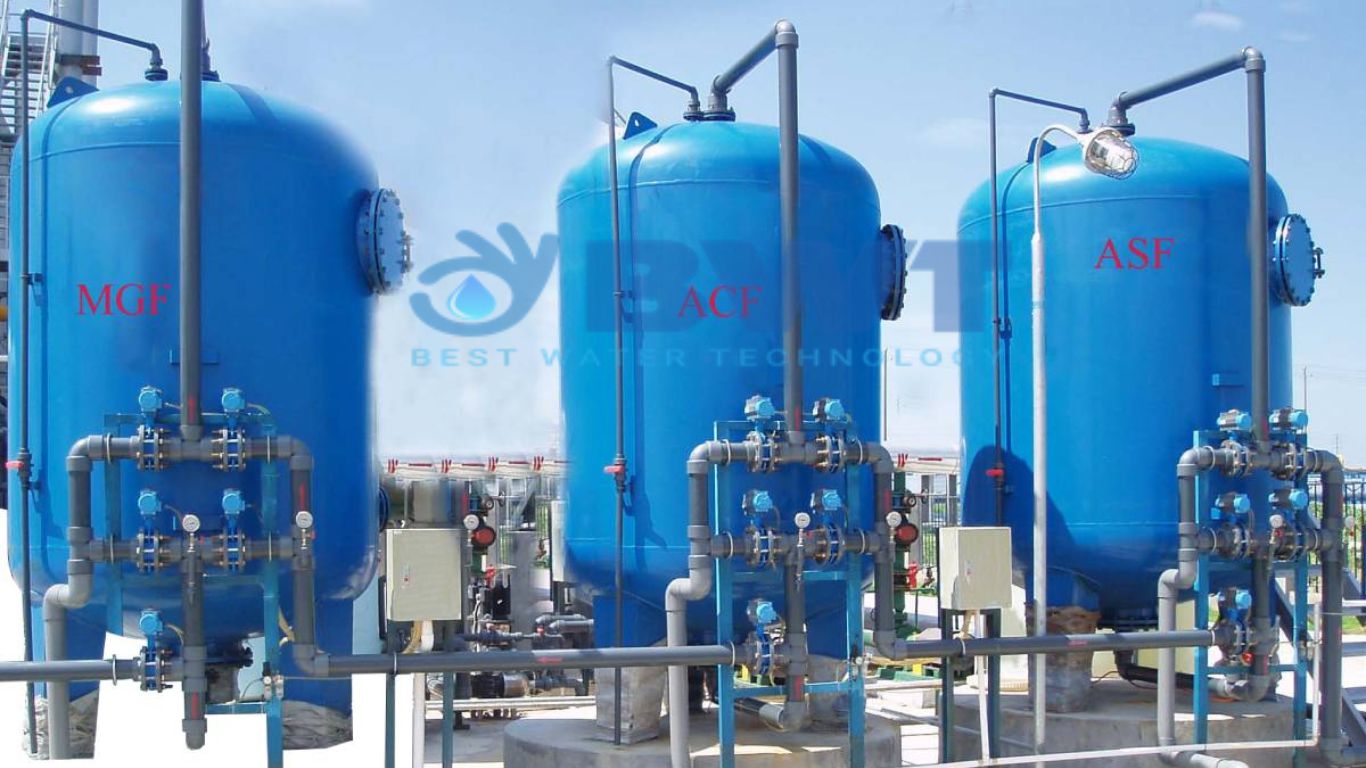
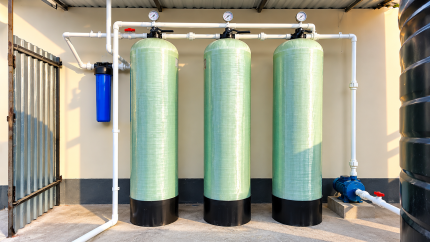
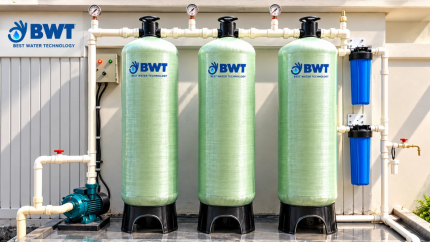
Suggested image caption: Industrial water treatment system featuring multimedia, activated carbon and sand filtration vessels with interconnected piping and treatment equipment.
Key Features and Benefits
Important Features
- Customized system design: Treatment configurations can be selected according to raw water analysis, flow requirements and the desired treated water quality.
- Multiple treatment options: Depending on the project, the system may include filtration, iron removal, softening, reverse osmosis, ultrafiltration, demineralization or disinfection.
- Industrial filtration: Suitable filtration vessels and media can be selected to address suspended particles and other targeted contaminants.
- Application-specific configuration: Treatment stages can be arranged according to the requirements of manufacturing, utilities, process water or other industrial uses.
- Scalable project planning: System capacity and configuration can be evaluated against current requirements and anticipated operational demand.
- Technical support: Professional consultation and installation support may be available according to the agreed project scope.
Customer Benefits
- Helps improve raw water quality for the intended industrial application.
- Supports more consistent process water quality when the system is properly designed and maintained.
- Can help reduce scale formation, iron-related deposits and suspended solids in downstream equipment when appropriate treatment stages are selected.
- Helps industries identify suitable treatment technologies instead of relying on unnecessary equipment.
- Supports operational planning through a treatment configuration matched to the facility’s water demand.
- Provides a practical starting point for evaluating water quality challenges and treatment requirements.
Industrial Water Treatment Technologies
Different water quality problems require different treatment methods. An industrial water treatment plant may use one technology or several treatment stages in combination. The following technologies are available as potential components of a customized treatment project, subject to water analysis and application requirements.
Multimedia Filtration and Sand Filtration
Multimedia filtration uses layers of selected filtration media to reduce suspended particles and improve water clarity. Sand filtration is another common method for removing particulate matter from water. These systems may be used as pretreatment stages to reduce the solids load entering downstream equipment.
Filtration performance depends on the media selection, vessel design, filtration rate, raw water characteristics and operating conditions. Periodic backwashing may be required to remove accumulated particles and restore the filter bed’s performance.
Activated Carbon Filtration
Activated carbon filtration is used in suitable applications to reduce certain organic compounds, unwanted tastes, odors and chlorine. It may be included in pretreatment or polishing systems depending on the water source and treatment objectives.
Activated carbon does not remove every contaminant. Its effectiveness depends on the carbon type, contact time, contaminant characteristics and operating conditions. Media replacement or reactivation is required when its useful capacity is exhausted.
Industrial Iron Removal Plant
Iron removal systems are used when raw water contains iron at levels that require treatment. Excess iron may cause staining, deposits, discoloration and operational problems in industrial equipment. An appropriate iron removal process may involve oxidation followed by filtration, depending on the iron form and raw water chemistry.
Industrial Water Softener Plant In Bangladesh 2026
Water softening is used to reduce hardness caused primarily by calcium and magnesium. Hard water can contribute to scale formation in heat exchangers, boilers, pipes and other equipment. A conventional ion-exchange softener uses suitable resin to exchange hardness ions with sodium ions.
Softener selection depends on water hardness, flow rate, operating hours, required treated water quality and regeneration requirements. Salt consumption and regeneration frequency should be considered during operating cost evaluation.
Reverse Osmosis (RO) Water Treatment Plant
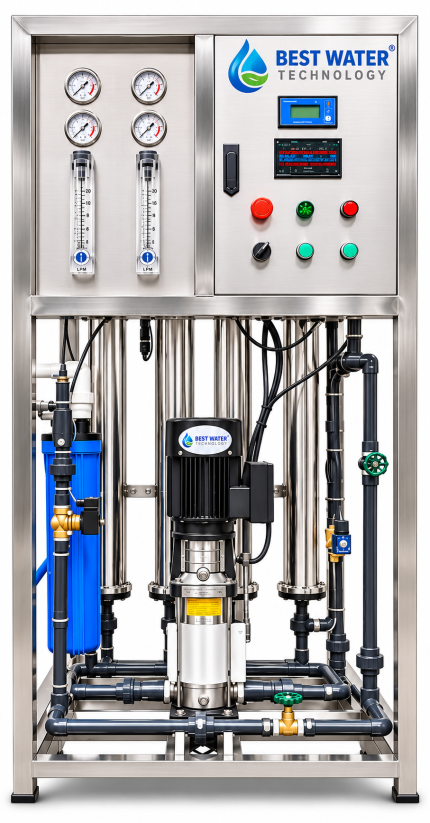
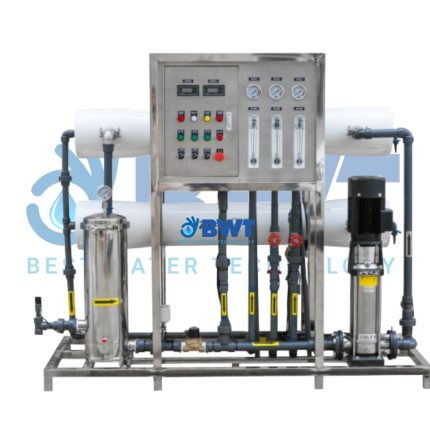
Reverse osmosis is a membrane separation process used to reduce dissolved salts and many other dissolved constituents from water. An industrial RO plant generally includes pretreatment, high-pressure pumping, membrane vessels and associated monitoring and control equipment.
RO may be suitable for industrial process water, selected manufacturing applications and other uses requiring reduced dissolved solids. The final design depends on feed water quality, required permeate quality, recovery objectives, membrane selection and operating conditions.
RO systems require appropriate pretreatment and routine monitoring. Feed water scaling potential, suspended solids, oxidants and other factors must be considered to protect the membranes and maintain performance.
Ultrafiltration (UF) Water Plant
Ultrafiltration uses membranes with small pores to remove suspended solids, colloids and many microorganisms, depending on the membrane and operating conditions. UF is commonly considered for pretreatment, surface water treatment and applications requiring improved particulate removal.
UF does not normally remove dissolved salts in the same way as reverse osmosis. It may be used as a pretreatment stage before RO or as part of a separate treatment process.
Demineralization (DM) and Deionization (DI) Systems
Demineralization and deionization systems are used to reduce dissolved ionic substances in water. Depending on the required water quality, these systems may use ion-exchange resins or other suitable technologies.
Applications can include selected industrial process water, laboratory requirements and boiler-related uses. The required outlet water quality, resin configuration, regeneration method and monitoring requirements should be established during project planning.
Ultraviolet and Other Disinfection Systems
Ultraviolet disinfection may be included when microbial control is required and the water quality is suitable for UV treatment. UV systems require appropriate operating conditions, including adequate UV transmission and maintenance of the lamp and associated equipment.
Other treatment methods, including ozonation, may be considered for specific applications. The selected disinfection method should be appropriate for the water source, target organisms and intended use.
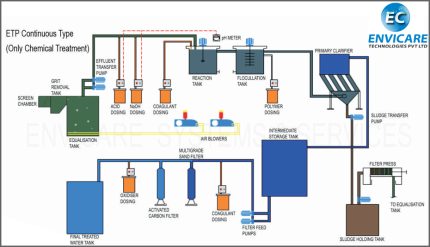
How an Industrial Water Treatment Plant Works
The treatment process is determined by the quality of the incoming water and the requirements of the industry. A typical project may include several of the following stages.
Stage 1: Raw Water Assessment
The process begins with identifying the water source and evaluating its quality. Groundwater, surface water and municipal supplies can have different characteristics. Water analysis may include parameters such as pH, turbidity, iron, hardness, conductivity, total dissolved solids and other relevant constituents.
Stage 2: Pretreatment
Pretreatment reduces contaminants that could interfere with later treatment stages. Depending on the water quality, pretreatment may include sediment filtration, multimedia filtration, activated carbon, iron removal, softening, or other suitable processes.
Stage 3: Main Treatment
The main treatment stage addresses the primary water quality requirement. For example, an RO system may be used to reduce dissolved salts, while a softener may be selected to reduce hardness. A DM or DI system may be used when reduced ionic content is required.
Stage 4: Post-Treatment
After the main treatment stage, additional treatment may be required to meet the intended application. This may include disinfection, polishing filtration, pH adjustment or other processes, depending on the project requirements.
Stage 5: Storage and Distribution
Treated water may be transferred to a suitable storage tank and distributed to the required points of use. Storage and distribution arrangements should be designed to preserve the treated water quality and meet the facility’s demand.
Stage 6: Monitoring and Maintenance
Regular monitoring helps verify that the system is operating as intended. Operating parameters, water quality results, filter condition, pump performance and consumable usage should be reviewed according to the system design and operating instructions.
Applications and Industries
Industrial water treatment systems are used in many sectors across Bangladesh. The appropriate treatment technology depends on the process, water source and quality requirements of each facility.
Manufacturing and Textile Industries
Manufacturing facilities may use treated water for production, washing, cooling and other operations. Depending on the application, filtration, softening, RO or other treatment stages may be considered to improve water suitability and protect equipment.
Food and Beverage Processing
Food and beverage operations may require water that meets specific quality and hygiene requirements. Treatment selection should be based on the intended use of water, applicable standards and the facility’s quality management procedures.
Pharmaceutical and Laboratory Applications
Pharmaceutical and laboratory processes may require water with carefully controlled chemical and microbiological characteristics. Treatment systems must be designed and validated according to the relevant application and quality requirements.
Boiler Feed and Utility Water
Boiler systems often require control of hardness and other constituents to reduce scaling and operational problems. Softening, RO or demineralization may be considered depending on boiler specifications and feed water requirements.
Commercial Buildings and Industrial Estates
Commercial buildings and industrial estates may require water treatment for general use, cooling, cleaning or other shared services. System capacity and configuration should account for actual demand and water quality.
Other Industrial Applications
Additional applications may include automotive facilities, power-related operations, electronics manufacturing, construction, selected chemical processes and other industries where water quality affects production or equipment performance.
How to Select the Right Water Treatment Plant
Selecting an industrial water treatment plant requires more than choosing a machine based on its advertised capacity. The correct system should address the actual water quality problem and provide treated water suitable for the intended use.
Understand the Raw Water Source
Identify whether the water comes from a deep tube well, shallow groundwater, surface water, municipal supply or another source. The source can influence the type and concentration of contaminants and the required pretreatment.
Conduct Water Analysis
Water testing is an important step in determining the treatment process. A suitable analysis can help identify iron, hardness, dissolved salts, turbidity and other parameters that may affect system selection. The required testing panel depends on the application.
Determine Required Capacity
Calculate the required treated water flow rate based on production demand, operating hours, peak consumption and storage arrangements. The plant should be selected according to the actual demand profile rather than an assumed capacity.
Define the Required Water Quality
Different applications require different outlet water quality. Define the target parameters before selecting treatment stages. This helps avoid unnecessary equipment and supports more accurate project planning.
Evaluate Operating and Maintenance Costs
Consider electricity, chemicals, replacement media, membrane cleaning, resin regeneration, consumables and maintenance requirements. A suitable system should be evaluated in terms of its overall operating needs, not only its initial purchase price.
Consider Installation and Available Space
Installation planning should account for equipment dimensions, access for maintenance, drainage, electrical supply, piping, raw water storage and treated water storage. A site assessment may be necessary for larger projects.
Product Specifications
| Specification | Details |
|---|---|
| Product Name | Industrial Water Treatment Plant |
| Brand | Best Water Engineering (BWE) |
| Plant Capacity | Project-specific; confirm during quotation |
| Raw Water Source | Groundwater, surface water or other suitable source |
| Treatment Technologies | RO, UF, DM, DI, iron removal, softening and other suitable processes |
| Configuration | Customized according to water analysis and application |
| Installation | According to project scope and agreement |
| Price | Quotation based on capacity, treatment process and project requirements |
Final specifications should be confirmed with BWE before placing an order. The treatment configuration, capacity, equipment materials, automation level and included services may vary from project to project.
Installation and Maintenance
Proper installation and maintenance are important for the reliable operation of an industrial water treatment plant. Installation should be performed according to the approved system design, equipment instructions and applicable safety requirements.
Installation Considerations
- Prepare a suitable foundation and accessible equipment layout.
- Provide appropriate raw water and treated water connections.
- Ensure suitable drainage for backwashing, regeneration and other wastewater streams.
- Verify electrical supply and control panel requirements.
- Check piping, valves, fittings and connections before commissioning.
- Confirm that the system is operated by trained personnel.
Routine Maintenance
Maintenance requirements vary according to the treatment technology and operating conditions. A maintenance schedule should be prepared using the equipment manufacturer’s recommendations and actual operating data.
- Inspect pumps, valves, piping and connections for leaks or unusual operation.
- Monitor pressure gauges and flow indicators where installed.
- Backwash filters when required by operating conditions.
- Replace or service treatment media according to its condition and recommended service life.
- Monitor RO membrane performance and clean membranes when necessary.
- Maintain softener regeneration and salt supply according to system requirements.
- Check UV lamps and associated components if UV disinfection is installed.
- Keep records of water quality, maintenance activities and consumable replacement.
Water Quality and Treatment Considerations
Water treatment decisions should be based on the actual quality of the raw water and the required quality of the treated water. A system that performs well for one water source may not be appropriate for another source with different chemical or physical characteristics.
For example, high iron may require oxidation and filtration, while high hardness may require softening. Elevated dissolved salts may require RO or another suitable desalination process. Suspended solids may require filtration or clarification before membrane treatment.
It is also important to distinguish between water that is suitable for industrial process use and water that is safe for drinking. Drinking water applications require appropriate treatment, monitoring and compliance with relevant quality standards. The suitability of treated water should be confirmed through appropriate testing.
For general information about drinking water quality, refer to the World Health Organization’s drinking-water quality resources. For additional background on water, sanitation and hygiene, consult UNICEF’s WASH resources.
Frequently Asked Questions
What is an Industrial Water Treatment Plant?
An industrial water treatment plant is a system that treats raw water to meet the requirements of industrial processes, utilities, manufacturing or other applications. It may include filtration, softening, RO, UF, DM, DI or other technologies depending on the water quality and intended use.
How much does a Water Treatment Plant cost in Bangladesh?
The price depends on plant capacity, raw water quality, treatment technologies, equipment materials, automation and installation requirements. BWE can provide a project-specific quotation after reviewing the customer’s requirements.
Can an industrial water treatment plant remove iron?
Yes. An appropriate iron removal process can be included when raw water contains iron that requires treatment. The system should be selected after evaluating iron concentration, water chemistry and required flow rate.
Can a water treatment plant reduce hardness?
Yes. A suitable water softener can reduce hardness caused by calcium and magnesium. The required softener capacity and regeneration schedule depend on water hardness and consumption.
Is reverse osmosis necessary for every industry?
No. RO is used when dissolved salts or other constituents require membrane separation. Some
Contact Best Water Engineering (BWE)
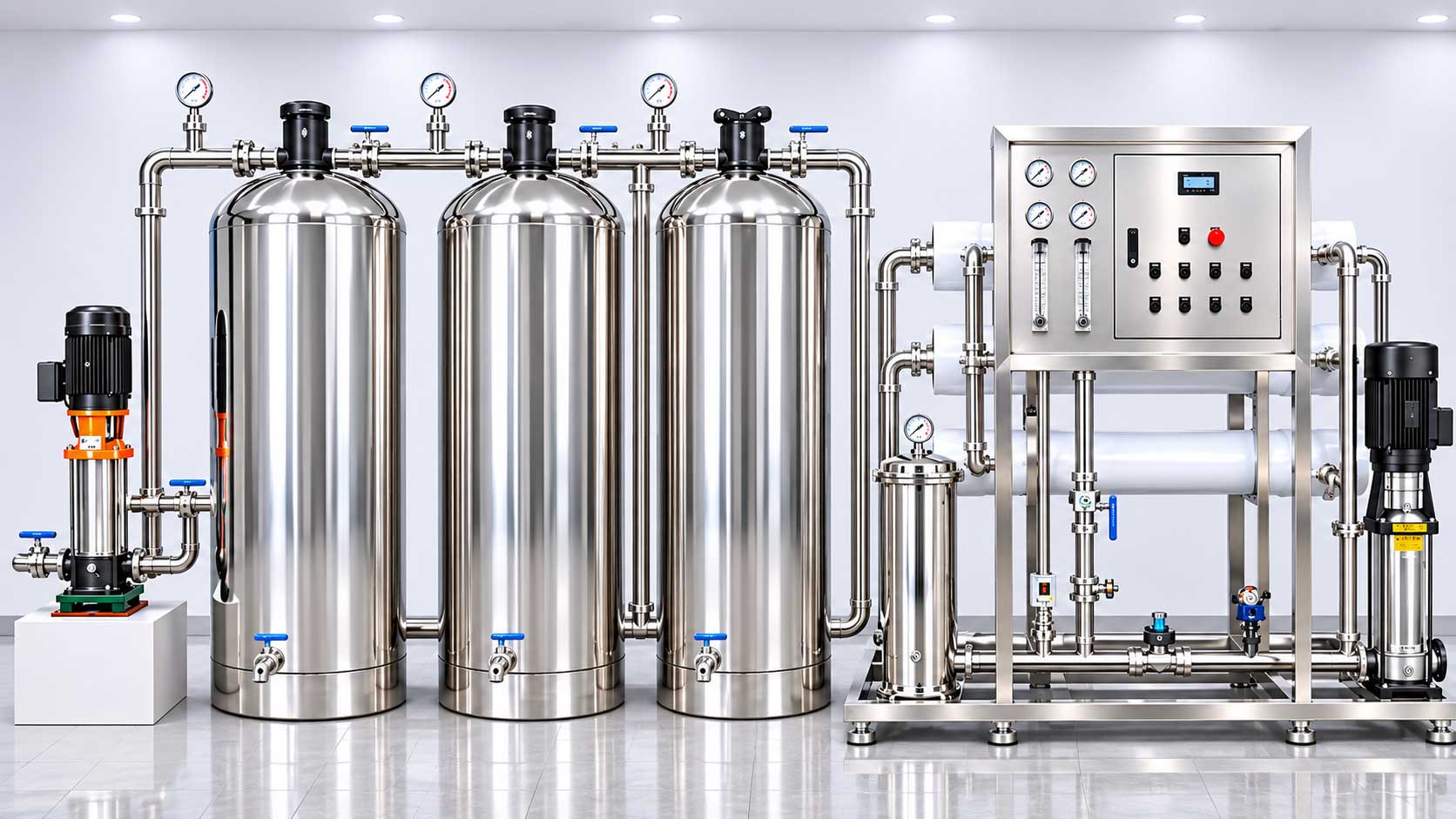
For information about the Stainless Steel Pharmaceutical RO Plant, project consultation, or a quotation, contact Best Water Engineering. Please share your raw-water report, required capacity, intended water grade, and installation details when making an enquiry.
Company: Best Water Engineering (BWE)
Tagline: Best Water Better Life
Address: 29/20 Circular Road, Dainik Bangla More, Motijheel, Dhaka, Bangladesh.
WhatsApp: +880 1898-942229
WhatsApp: +880 1898-942230
Website: https://bestwaterbd.com/
Best Water Engineering – Professional Water Purification Solutions for domestic, commercial, and industrial water-treatment requirements.

Reviews
There are no reviews yet.